Field note
Flats Versus Zigzags on Asian Session Panels
Hong Kong session charts often compress corrective structure; misnaming flats and zigzags is the most common clinic correction.
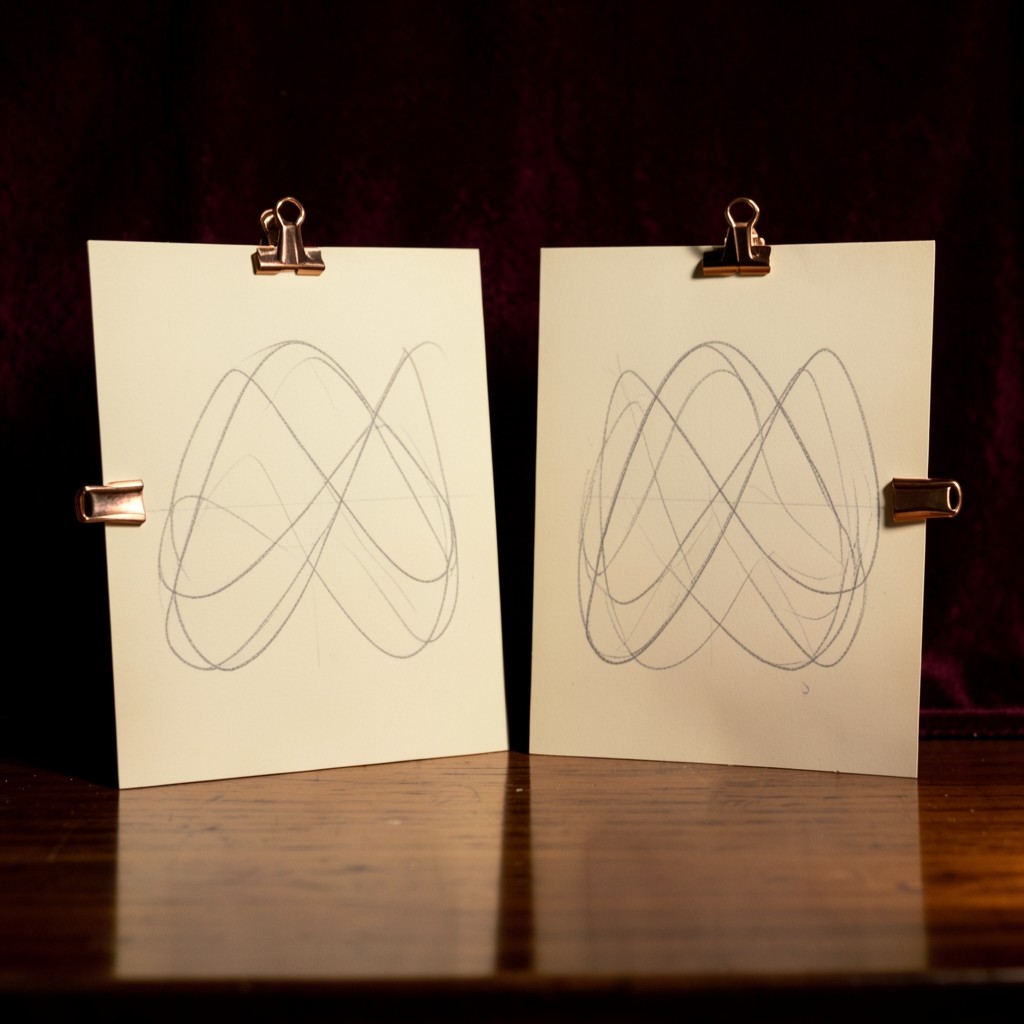
Asian session ranges can make a 3-3-5 flat look like a shallow zigzag until you measure the B-wave retracement carefully. In our Impulse & Correction Mapping Intensive we place both templates on the same panel and force a written choice.
A zigzag usually shows a sharp A, a modest B, and a C that travels with motive character. A flat keeps B near the start of A and often prints a C that probes beyond A. When the session is quiet, those proportions shrink—so measure ratios, do not rely on visual drama.
Print two copies of the same panel. Annotate one as a flat, one as a zigzag, then list which rules each count violates. The surviving sheet becomes your preferred label; the other stays as the alternate.
Students from futures desks in Sha Tin and Central often bring overnight ranges that look “messy.” Messy usually means the correction type was chosen too early.